
Respecting Our Wells
What We Mean
There are a number of ways to invest in oil and gas. From drilling the first holes in a new area to royalties the land owners receive for decades as the wells decline.
After an initial pop after drilling, production drops off steeply and then settles into a long slow decline that can go on for decades. Productive wells have a remarkably long lifespan and people find value at every stage of the curve.
AT RED ROCK, WE SET OUR SIGHTS ON THOSE LONG LASTING PREDICTABLE PRODUCERS.
WE GET TO KNOW OUR WELLS FROM TOP TO BOTTOM AND COAX THEM INTO SUSTAINED AND SOMETIMES EVEN IMPROVED PRODUCTION.
Overlooked Value
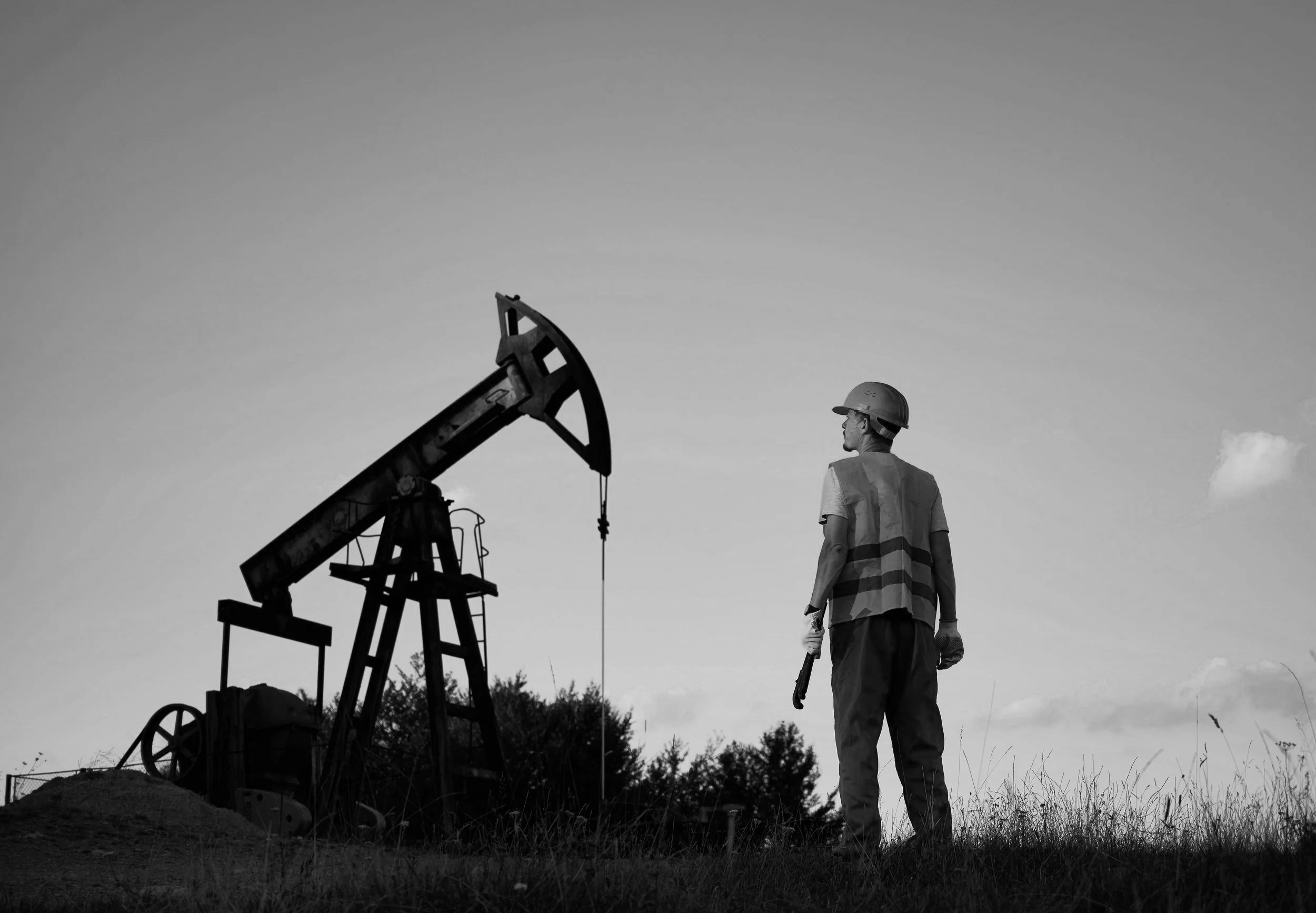
Most people picture the oil industry in extremes: either the dramatic gusher spraying skyward or the abandoned derricks of ghost towns. Many operators chase this excitement, drilling new wells for their spectacular initial flows, then lose interest when production starts its inevitable decline.
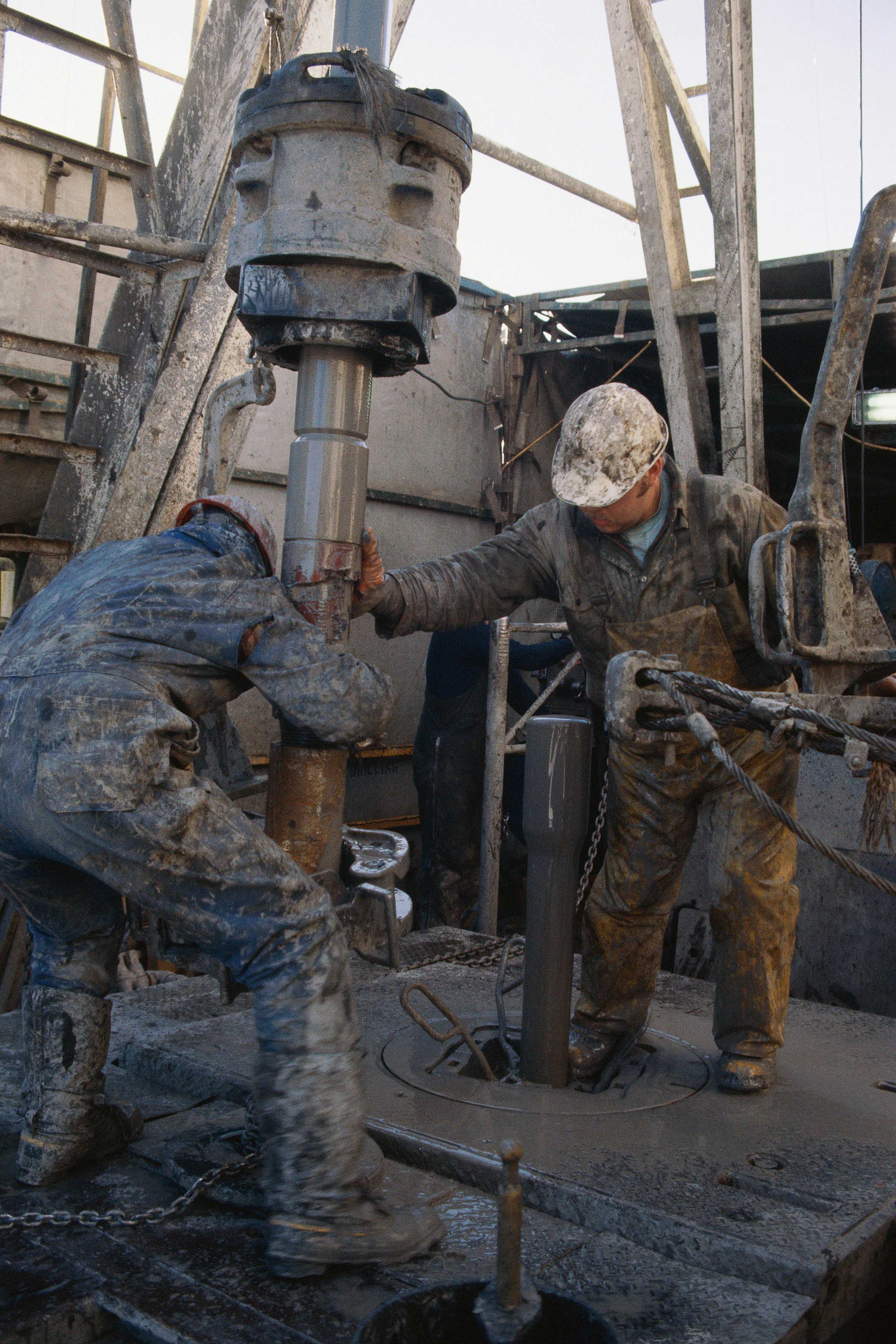
At Red Rock Resources, we look for the value others miss. We specialize in wells past their prime - the ones written off as "flatlined" but, surprisingly enough, still hold onto most of their oil. While others lose interest and chase the next big strike, we apply patient expertise to unlock production that previous operators left behind.
We call it "Well Whispering."

The Art of Operating Wells
The secret sauce of Red Rock Resources
The art of "well whispering" has almost vanished from today's oil and gas fields. This rare craft, passed down from the second generation of oilmen who came up after World War II, emerged in a time when resources were abundant and operators mastered their trade without modern tools. They relied instead on deep understanding, careful observation, and yes, respect for their wells.
Wells aren't machines - they're more like living things, each with unique characteristics and behaviors that modern operators often ignore. They ebb and flow, respond to stimuli, and produce (or don't) according to their own whims. Traditional operators blast wells with chemicals and pressure, hoping to force more production, but this can damage the rock and, in the long run, reduce oil flow.
WELL WHISPERING USES PATIENT OBSERVATION AND A BROAD ENGINEERING TOOLKIT TO RESPOND TO THE NEEDS OF EACH WELL. IT'S MORE LIKE REHABILITATING AN INJURED ATHLETE THAN FORCING PERFORMANCE.

The proof:
In our early purchases in Arkansas, we've got wells that now flow naturally without pumps, at levels not seen in decades.

The irony:
By slowing down and treating wells with care instead of force, we can actually slow the decline curves, capture more value when prices are right, and in the end, get more value out of aging fields that others have given up on.